
EAS Newsletter September 4, 2025

Publications:
2025 Focused Update of the 2019 ESC/EAS Guidelines for the management of dyslipidaemias
We are pleased to announce that the European Society of Cardiology (ESC), together with the European Atherosclerosis Society (EAS), has published the 2025 Focused Update of the 2019 ESC/EAS Guidelines for the management of dyslipidaemias.
Since the publication of the 2019 ESC/EAS Guidelines for the management of dyslipidaemias: lipid modification to reduce cardiovascular (CV) risk, there have been several randomized controlled trials that might change patient management ahead of the next scheduled full dyslipidaemia Guidelines.
This 2025 Focused Update addresses changes in recommendations for the treatment of dyslipidaemias based on new evidence published up until March 31, 2025.
To the full article in AtherosclerosisTo the full article in European Heart JournalKey messagesEditorial: 2025 focused update of the 2019 ESC/EAS guidelines for the management of dyslipidemias – Advancing evidence-based care through innovation
The 2025 Focused Update of the ESC/EAS Guidelines for the management of dyslipidemias, now published jointly in Atherosclerosis [1] and the European Heart Journal, signifies further evolution of contemporary lipid management. This update from the 2019 dyslipidemia guidelines [2] synthesizes the most compelling evidence from major randomized controlled trials and meta-analyses published since 2019, bringing changes to clinical management of dyslipidemias.
[1]
Mach F, Koskinas KC, Roeters van Lennep JE, et al. Focused update of the 2019 ESC/EAS guidelines for the management of dyslipidaemias. Atherosclerosis 2025. https://doi.org/10.1016/j.atherosclerosis.2025.120479.
[2]
Mach F, Baigent C, Catapano AL, et al. 2019 ESC/EAS guidelines for the management of dyslipidaemias: lipid modification to reduce cardiovascular risk. Atherosclerosis 2019;290:140–205. https://doi.org/10.1016/j.atherosclerosis.2019.08.014.
Education:
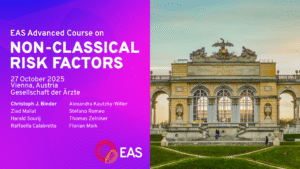
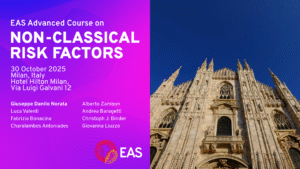
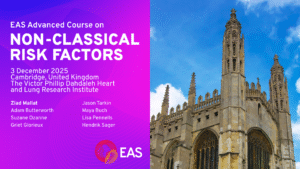
Only a few spots left! Register for EAS Advanced Courses on non-classical risk factors

As you already know, we’re launching a new series of Advanced Courses on non-classical risk factors for cardiovascular disease!
If you’re a clinician or healthcare practitioner looking to deepen your understanding of chronic inflammation, metabolic disturbances, gut microbiota, psychosocial stress, and environmental influences, these courses are for you.
Choose the location closest to you and register now. Don’t delay – seats are limited!
Gothenburg, Sweden
Date: October 17
Prof. Stefano Romeo & Kirsten Holven
EAS have independently organised all matters related to this activity. The Society gratefully acknowledges financial support from Novo Nordisk.
Society:
The nomination process for the 2026 Anitschkow Prize has started

The EAS Anitschkow Prize is the Society’s most prestigious distinction, awarded to outstanding scientists in the area of atherosclerosis and linked metabolic disturbances. Since its inception in 2007, 17 prizes have been awarded to remarkable individuals in this field.
The recipient of the Prize receives the Anitschkow Medal, an award of ten thousand Euros in recognition of their contribution to the study of atherosclerosis, presents the Anitschkow Lecture as part of the Opening Ceremony at EAS Congress, and is invited to write a review for the Society’s Journal, Atherosclerosis.
The call for nominations is now open. We encourage all members to submit nominations and help us honor those who are driving progress in atherosclerosis research.
To the nomination formEducation:
‘Featured’ isn’t just a label – check out the Open Lectures from July–August and September–October!

At the recent European Atherosclerosis Society (EAS) Congress in Glasgow, Professor Göran K. Hansson – former Secretary General of the Royal Swedish Academy of Sciences – delivered an engaging and insightful lecture titled “How to Win a Nobel Prize?”
Drawing from his years of experience with the Nobel Committee, Professor Hansson offered a rare behind-the-scenes look at the selection process, highlighting the rigorous standards, the importance of groundbreaking discoveries, and the long road from research to recognition. Blending humor with depth, he shared amusing anecdotes and memorable stories from Nobel history, captivating the audience with both wit and wisdom. The talk was not only informative but also inspiring for researchers striving to make a lasting impact in science.
To the Open Lecture by Prof. Göran K. Hansson
We are pleased to present the 2025 Anitschkow Prize Lecture, delivered by Dr. Paul Ridker, Eugene Braunwald Professor of Medicine at Harvard Medical School and Director of the Center for Cardiovascular Disease Prevention at Brigham and Women’s Hospital in Boston.
The Anitschkow Prize is the European Atherosclerosis Society’s highest honor, awarded for outstanding contributions to the understanding of atherosclerosis. Over a distinguished career spanning more than three decades, Dr. Ridker has led paradigm-shifting research that has deepened our understanding of cardiovascular risk, introduced new clinical concepts, and shaped international guidelines. His work has also played a key role in advancing clinical trials and therapeutic development across the spectrum of cardiovascular disease.
This lecture, originally presented during the Opening Ceremony of the 2025 EAS Congress in Glasgow, is now available as an open-access event on the EAS platform. We invite you to explore Dr. Ridker’s reflections on a remarkable career that continues to influence research, prevention, and care in cardiovascular medicine.
To the Open Lecture by Prof. Paul RidkerEducation:
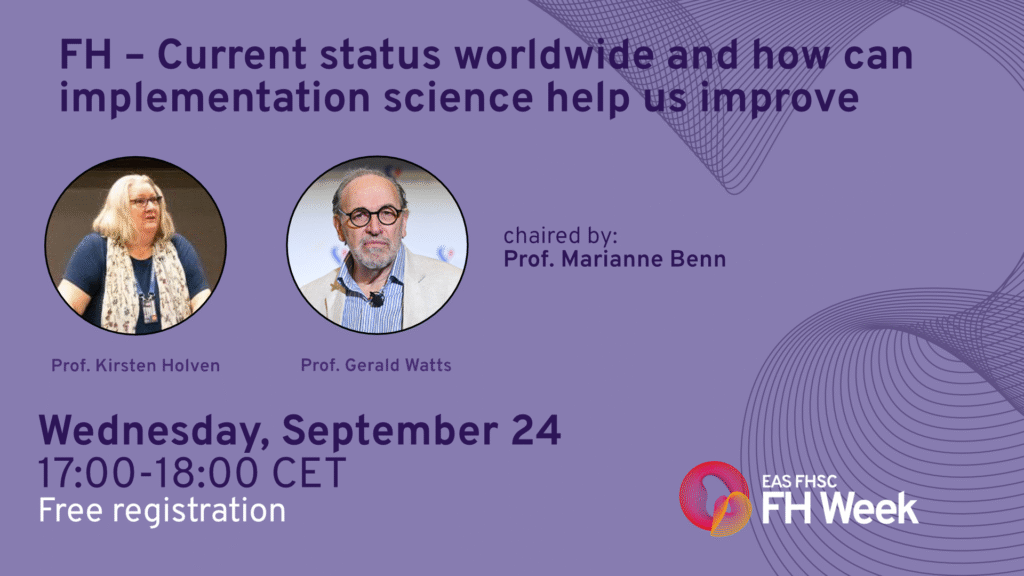
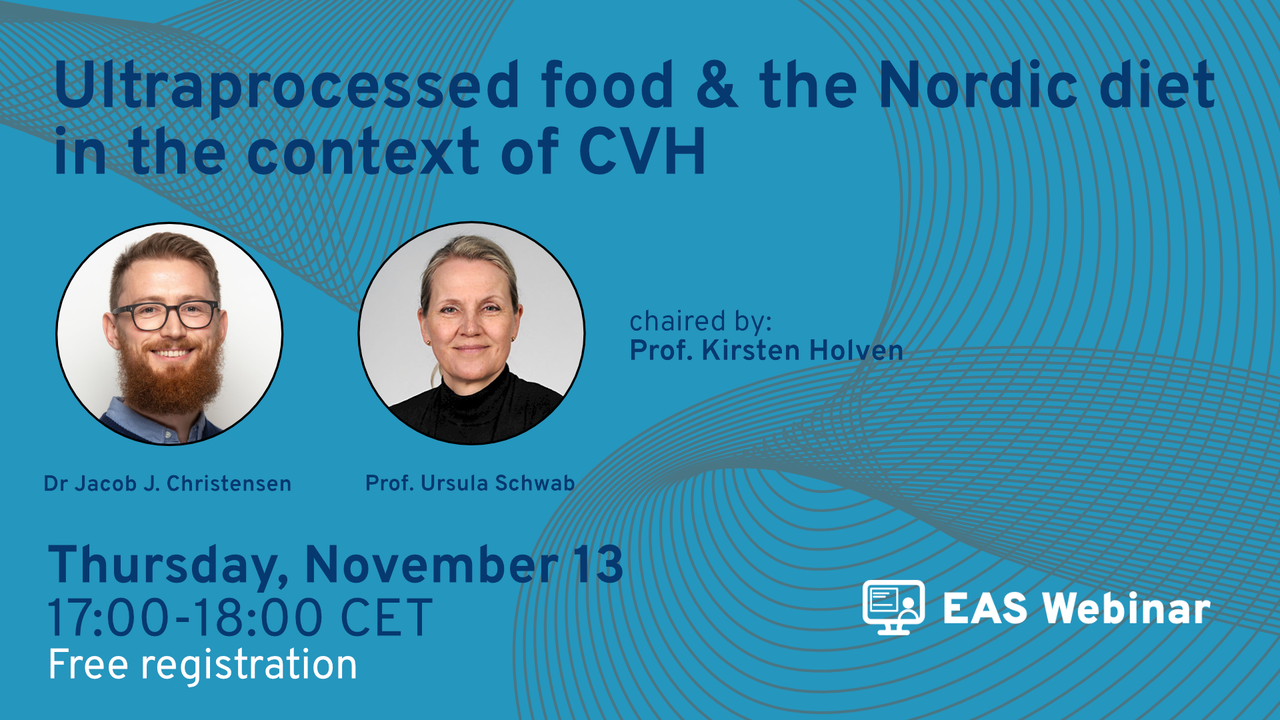
Fall into learning with our autumn EAS webinars – so much to explore!
We’ve never offered this many webinars and we can’t wait to welcome you. Join colleagues from around the world in our biggest EAS webinar season yet, featuring special sessions focused on Consensus Statement and Focused Update of the Guidelines.
Register now, mark your calendar, and be part of the conversation.