

EAS Newsletter July 22, 2025

Publications:
The essential role of sex and gender in atherosclerosis research
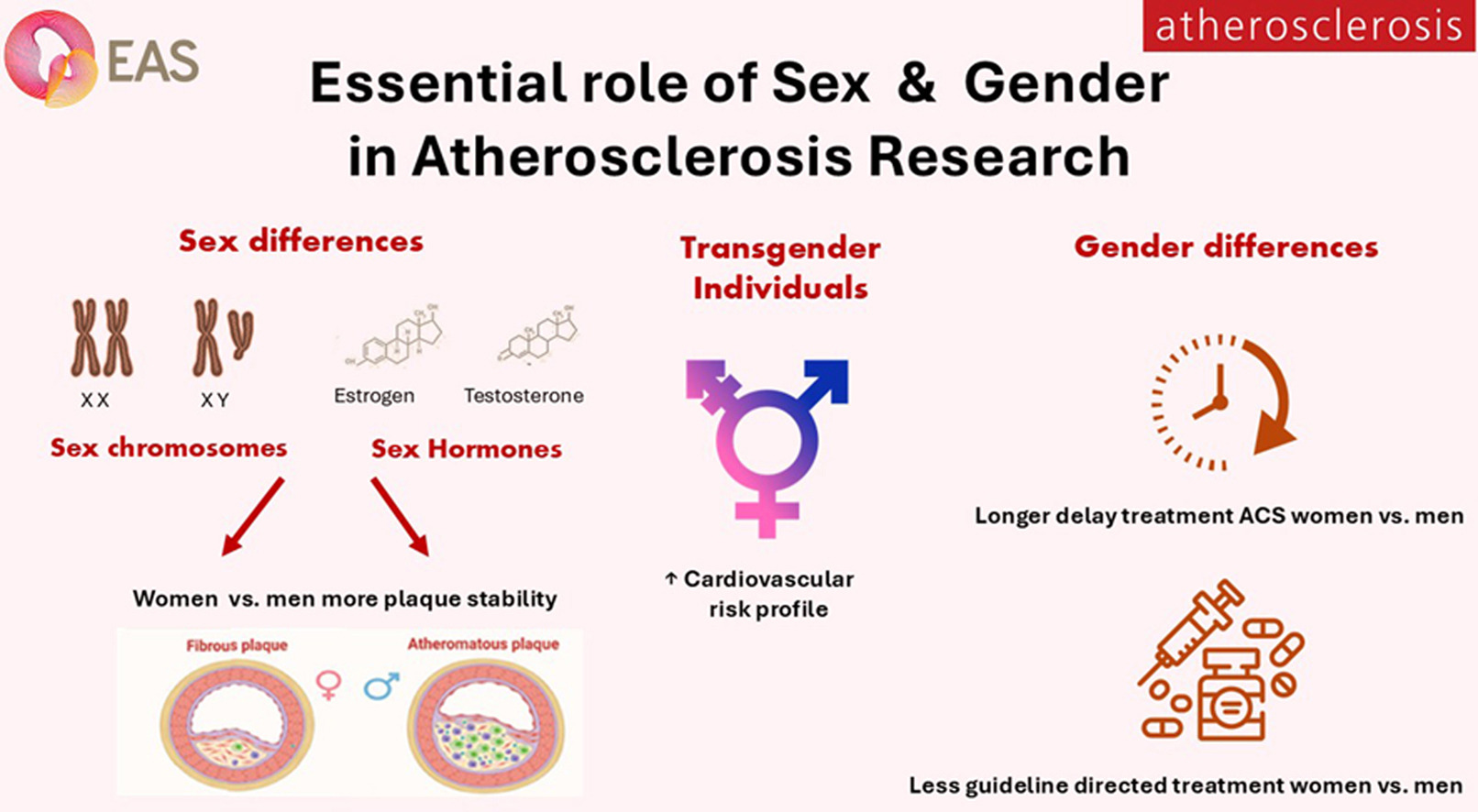
This important editorial represents a joint statement from the Editorial Board of Atherosclerosis and the Executive Committee of the European Atherosclerosis Society, affirming our shared commitment to meaningfully integrate sex and gender considerations into atherosclerotic cardiovascular disease research, education, and patient care.
Understanding how sex and gender influence atherosclerosis is not only a scientific priority – it is a fundamental step toward achieving equitable, high-quality care for all.
- Biological and sociocultural factors can lead to significant differences in disease development, risk, and treatment response between women and men.
- A nuanced, sex- and gender-informed approach will enhance our ability to uncover mechanisms, improve diagnosis, and deliver personalized treatment strategies.
- EAS and the journal Atherosclerosis are aligned in their mission to reduce the global burden of cardiovascular disease – the leading cause of death worldwide – through inclusive, high-impact science.
Read the full statement to learn more about how we can reshape cardiovascular research and care through a sex- and gender-sensitive lens:
To the full articleEducation:
Register for EAS Advanced Courses on non-classical risk factors

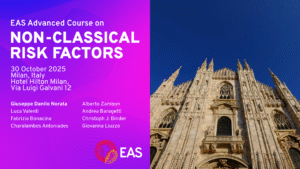
This autumn, we’re launching a new series of Advanced Courses on non-classical risk factors for cardiovascular disease! If you’re a clinician or healthcare practitioner and want to deepen your understanding of chronic inflammation, metabolic disturbances, gut microbiota, psychosocial stress, and environmental influences, these courses are for you. Choose the location closest to you and register now:

Gothenburg, Sweden
Date: October 17
Prof. Stefano Romeo & Kirsten Holven

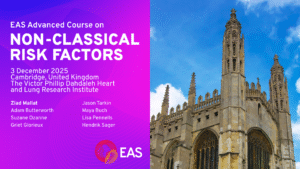
EAS have independently organised all matters related to this activity. The Society gratefully acknowledges financial support from Novo Nordisk.
Education:
Catch up on Featured Open Lectures: May-June & July-August
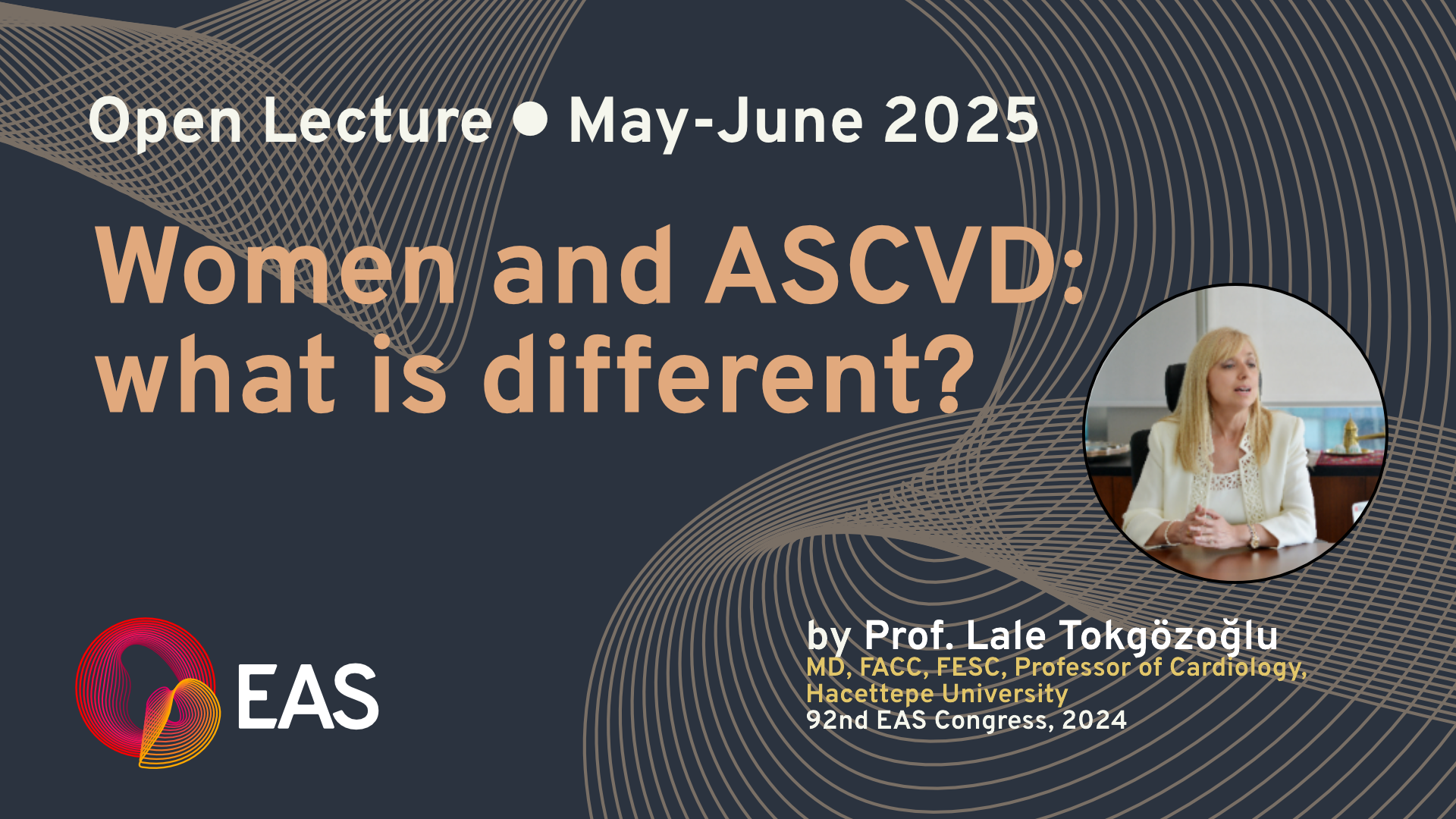
In this lecture, Prof. Lale Tokgözoğlu talks about gender differences in ASCVD. She focuses on differences in risk factors and the association of sex-specific risk factors to ASCVD. The importance of lipids during different female transition periods including pregnancy and the negative effects associated with menopause are also discussed. The conclusion is that women are still underdiagnosed and undertreated.
To the Open Lecture by Prof. Lale Tokgözoğlu
At the recent European Atherosclerosis Society (EAS) Congress in Glasgow, Professor Göran K. Hansson – former Secretary General of the Royal Swedish Academy of Sciences – delivered an engaging and insightful lecture titled “How to Win a Nobel Prize?”
Drawing from his years of experience with the Nobel Committee, Professor Hansson offered a rare behind-the-scenes look at the selection process, highlighting the rigorous standards, the importance of groundbreaking discoveries, and the long road from research to recognition. Blending humor with depth, he shared amusing anecdotes and memorable stories from Nobel history, captivating the audience with both wit and wisdom. The talk was not only informative but also inspiring for researchers striving to make a lasting impact in science.
To the Open Lecture by Prof. Göran K. HanssonEducation:
New EAS Short Track Courses – now available!
We’re excited to launch three new expert-led Short Track Courses, designed to equip healthcare professionals with focused, up-to-date knowledge in key areas of lipidology and cardiovascular prevention:
Novel Approaches to Lipid Lowering Therapies
Gain insight into the latest pharmacological and clinical advances with Professors Giuseppe Danilo Norata and Lale Tokgözoğlu. Improve clinical decisions and outcomes in lipid management.
Cardiovascular Risk in Primary Prevention
This short track addresses the urgent need to detect and manage individuals at high or very-high risk of CVD – before a cardiovascular event occurs.
- CV risk in primary prevention: how to detect high and very high risk patients — Professor Alberico Catapano
- Patients with high and very high CV risk: which are treatment options? — Professor Ulrich Laufs
Originally developed for the Lipid Clinic Network, this two-part course focuses on risk assessment and current therapeutic strategies based on clinical guidelines.
Rare Dyslipidaemias
Understand diagnosis, genetics, and treatment of rare but serious lipid disorders such as HoFH and hypolipoproteinaemias in this comprehensive 6-part series—essential for those in cardiology, endocrinology, and prevention.
EAS experts including Professors Rob Hegele, Stefano Romeo, Philippe Moulin, Jeanine Roeters van Lennep, Alberico Catapano, and Lluis Masana guide you through:
- Genetic testing and diagnosis
- Clinical management and treatment options
- Challenges in practice
All courses are free for EAS members, including National Society and complimentary members.
Explore the EAS Short Track Courses hereOutreach:
“Best of EAS 2025” comes to Asia: spotlighting breakthroughs from Glasgow
The “Best of EAS 2025” is a congress in Asia designed to spotlight the most impactful and cutting-edge research, discussions, and innovations from the EAS Congress that was held in Glasgow this year.
This condensed event on atherosclerosis is aimed at healthcare professionals, researchers, and industry leaders. Our society will be represented by Kausik Ray, Jeanine Roeters van Lennep & Jeffrey Kroon.
If you’re based in Singapore, this event is not to be missed. You can still register here:
To the websiteEducation:
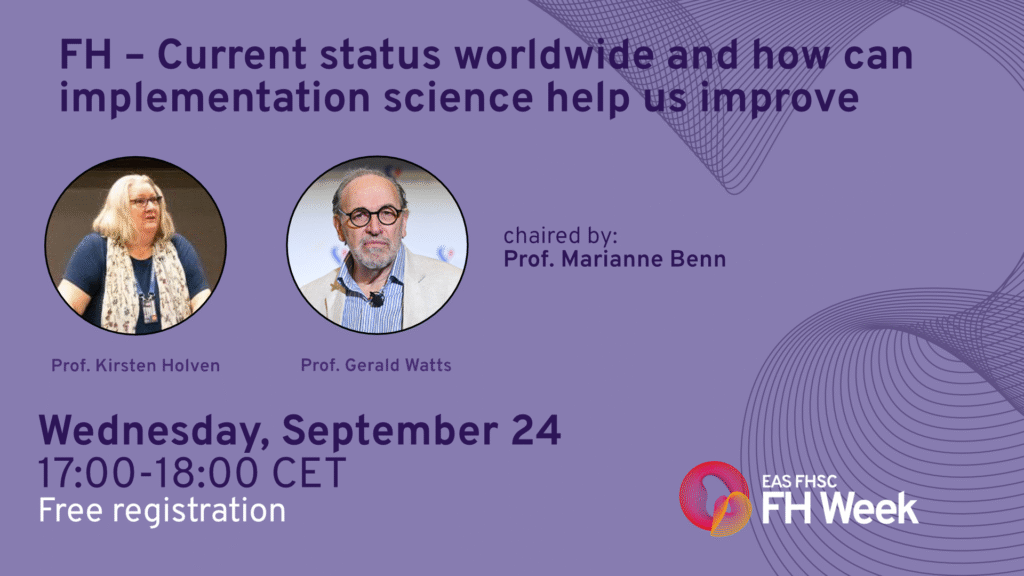
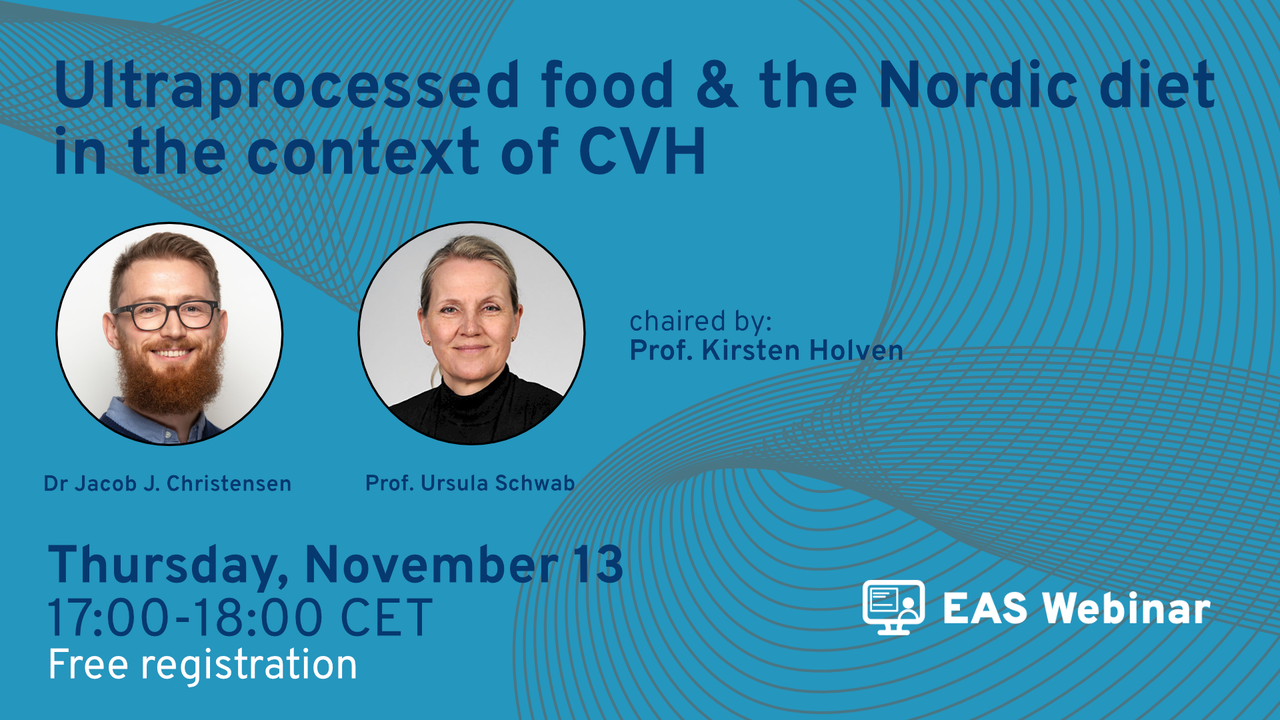
Explore our autumn EAS webinars – there’s plenty to choose from!
Seats are filling up fast for our next EAS webinars! Join the many who’ve already registered to explore hot topics in atherosclerosis research, prevention, and treatment.
Whether you’re looking to deepen your knowledge, stay current with the latest breakthroughs, or engage with leading experts in the field, these webinars are not to be missed.
Secure your spot today and mark your calendars – we look forward to welcoming you!
Education:
New free RCPCH Modules: supporting paediatricians in managing familial hypercholesterolaemia in children
The Royal College of Paediatrics and Child Health (RCPCH) announce two new online modules, available for free, to address a growing need for Paediatricians and related Healthcare Professionals to better understand how to identify and manage children and young people with Heterozygous Familial Hypercholesterolaemia (HeFH).
Prof Steve Humphries, and Dr Uma Ramaswami, of the EAS Paediatric FH Working Group, together with Dr Neil Hopper, have developed these training modules in response to the urgent need for improved identification and management of HeFH in children and young people.
“Based on the prevalence of FH in the general population of ~1/288, we estimate that in the EU there are likely to be ~280,000 Children and Young People (C&YP) with HeFH, with ~212,000 children with HeFH in the USA.
Survey data suggests that fewer than 10% of these children are currently known and being managed in adult and paediatric centres. With many International and country guidelines recommending Universal Screening approaches to find children with HeFH, the number of identified children will hopefully increase several fold over the next few years.
To provide services for this number of individuals, current provision will need to be expanded considerably, as will the number of Health Care Professionals with expertise in managing paediatric FH.”
The modules are available for free.
To the modules